Two Weeks With an Autonomous AI Agent: What I Learned
I've been running an autonomous AI agent on a dedicated Mac Studio for two weeks. Here's what surprised me, what scared me, and why this is a glimpse of what's coming for everyone.
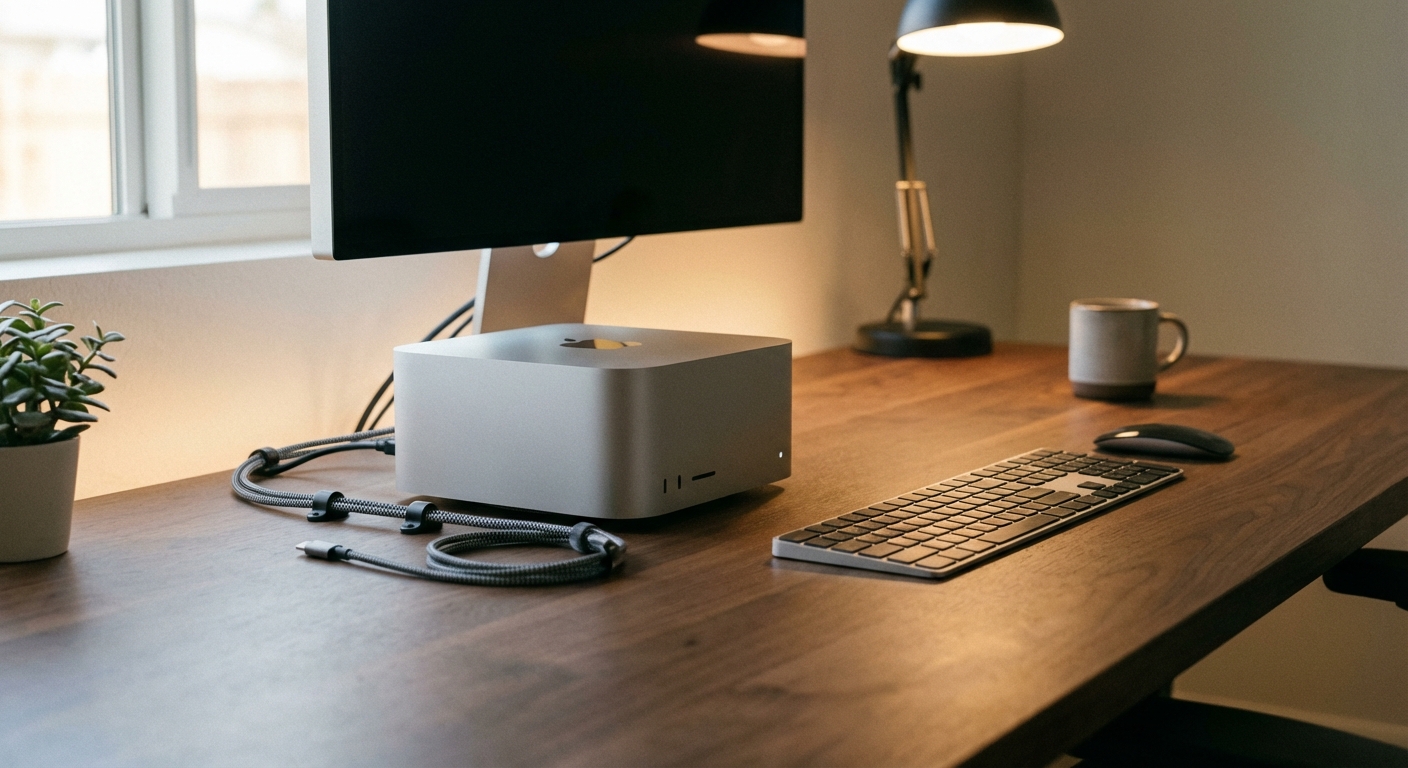
Two weeks ago, I set up an autonomous AI agent on a dedicated Mac Studio. Not a chatbot. Not an assistant you have to babysit. An actual agent that can spin up tasks, work in parallel, and operate independently.
Here's what I've learned.
The Capabilities Are Real
The first thing that surprised me was how autonomous this thing actually is. I can give it a goal — not step-by-step instructions, but an actual outcome I want — and it figures out how to get there.
Need research on a topic while drafting an email while updating a database? It spins up multiple agents working in parallel. No waiting. No bottlenecks. It's like having an employee who can clone themselves when the workload demands it.
This isn't theoretical. I've watched it handle tasks that would have taken me hours, running simultaneously in the background while I focus on higher-level work.
The Setup Is Not for Everyone
Here's the honest part: getting this running is technical. This is not a plug-and-play solution you download from the App Store.
I chose to invest in a Mac Studio specifically for this purpose. It runs local models, handles the compute load, and gives me the flexibility to build custom applications on top of the agent framework. For me, it's worth it. For the average small business owner who just wants things to work? We're not there yet.
This is early-adopter territory. You need to be comfortable with configuration, troubleshooting, and a learning curve that assumes some technical fluency.
Security Is the Real Concern
This is where I want to be direct: an autonomous agent with full system access can do serious damage.
I'm not being dramatic. If you open this up to your entire system without guardrails, you're handing over the keys to something that doesn't have judgment the way a human does. It will execute what it thinks you want, and sometimes that's not what you actually want.
My approach has been to roll this out slowly. Limited access. Specific permissions. Supervised output, especially in the beginning. I treat it like onboarding a new employee — you don't give them admin access to everything on day one.
Anyone considering this path needs to think carefully about what they're willing to expose and what boundaries make sense.
Who Should Consider This?
Right now, I'd recommend this for solopreneurs who meet a few criteria:
- You're willing to invest in hardware. A Mac Mini is the minimum viable setup. You need local compute power to run this effectively.
- You have some technical comfort. Not necessarily a developer, but someone who isn't scared of configuration files and troubleshooting.
- You understand the value of your time. This is equivalent to hiring an employee. The ROI is there if you're currently drowning in tasks that don't require your unique judgment.
- You're patient enough to roll it out carefully. Don't hand over everything at once. Start small. Expand as you build trust.
What This Means for the Future
Here's my bigger take: this is a preview of what's coming for everyone.
Right now, running an autonomous agent requires technical setup, dedicated hardware, and careful security considerations. But that won't always be the case.
Once Anthropic, Google, or OpenAI ships a consumer-friendly version of this technology with proper security defaults and managed infrastructure, the barrier drops dramatically.
Imagine this level of capability accessible through a simple subscription. Guardrails built in. Security handled by the provider. Setup that takes minutes instead of days.
That's when autonomous agents go mainstream. That's when every small business has access to what feels like a full-time employee who works 24/7, handles parallel workloads, and costs a fraction of a salary.
We're not there yet. But two weeks with this technology has convinced me we're closer than most people realize.
The Bottom Line
Autonomous AI agents are powerful. They're also early, technical, and require respect.
If you're a solopreneur with the appetite for early adoption and the discipline to implement guardrails, this can genuinely transform how you work. It has for me.
If you're waiting for something more polished and secure out of the box, that's a reasonable call. Give it 12-18 months. The big players are coming.
Either way, pay attention to this space. What I'm running on my desk today is what everyone will have access to tomorrow.
The question isn't whether autonomous agents will change small business operations. It's whether you'll be ready when they do.
Free: AI Readiness Checklist
Find out if your business is ready for AI automation. 10 questions, 2 minutes.