What Claude Design Means If You're Not a Designer
Claude Design isn't about replacing designers. It's about founders, PMs, and non-technical teams finally closing the gap between vision and validation — if they set the right guardrails.
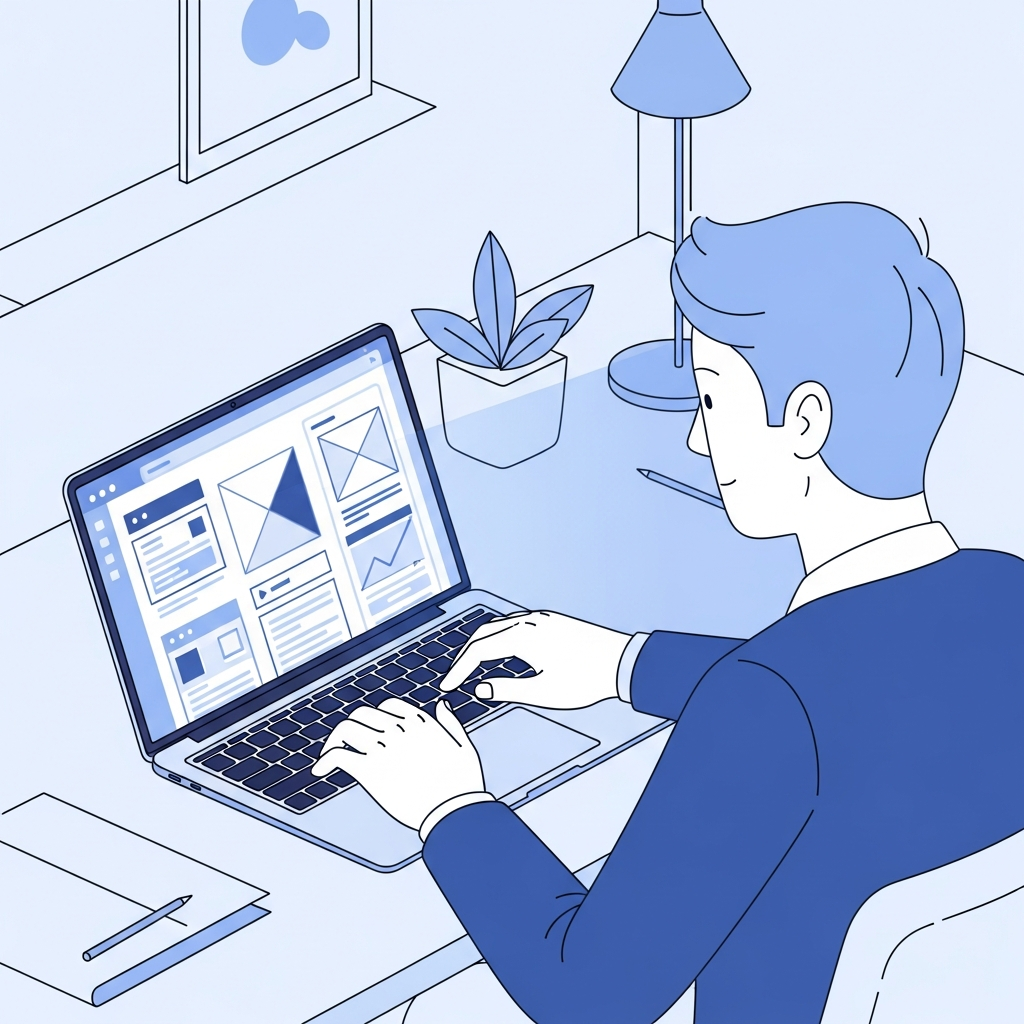
Anthropic just dropped Claude Design. The headlines are screaming "AI will replace designers."
But I've been reading the comments. The real conversation isn't about designers losing their jobs. It's about founders, PMs, and product managers who've been stuck trying to describe what they want and getting nowhere.
Here's what Claude Design actually means for non-technical teams.
The Real Problem Wasn't About Design Tools
You've been here. You have a product idea. You sketch it on a napkin. You show it to a developer and ask "Can this work?"
Now you need a mockup. You need visual hierarchy. You need to know if the button placement makes sense.
So you buy Figma. You watch three hours of tutorials. You learn layers, components, auto-layout. Two weeks in, you still can't make something that looks like what's in your head.
The real blocker was never "not knowing design." It was the gap between your vision and your ability to express it visually.
Anthropic's response: "What if AI could translate your words into a working prototype?"
What Claude Design Actually Does
I've been testing it. Here's what it can do:
- Text-to-component: Describe a feature and get a working UI element
- Prompt-to-screen: "Dashboard for a small business showing revenue, customers, and tasks" — done in 30 seconds
- Iterate by conversation: "Make the buttons less aggressive," "Add more whitespace," "Show this as a card instead"
The output isn't production-ready. But it's close enough that you can show it to someone and say "This is what I'm thinking."
You don't need to know what a component is. You just need to know what you want the screen to feel like.
Who Actually Benefits From This
Here's where it gets interesting.
Founders and non-technical PMs — You can now turn ideas into something tangible in minutes instead of weeks. No design agency. No waiting for a designer's availability. Just test, iterate, and move.
Design teams — They'll be pissed at first. But the ones who adapt will use this to move faster. Instead of spending 80% of their time on first drafts, they get in at the refinement stage.
Marketing and sales — If you're pitching a product idea, you can now build a mockup and show it to prospects. Get feedback before writing a single line of code.
Everyone else? The ones getting left behind will be the teams that treat AI as a replacement instead of a tool.
The Organizational Question No One Is Asking
Here's what nobody talks about when they talk about AI design tools:
Who owns the quality?
When you democratize design, you introduce thousands of new designers to the ecosystem. Most of them have never taken a design course. Most of them have never heard of contrast ratios, color theory, or accessibility guidelines.
You're not just giving tools more people. You're introducing design debt at scale.
I've seen products fail because the founder thought "I'll just mock it up." The mockup looked fine in isolation. But when you put it in a real user flow, the navigation breaks. The hierarchy is wrong. CTAs confuse instead of convert.
You can generate a screen in 30 seconds. But understanding why a screen works? That takes years.
So What Should You Do?
Here's my recommendation:
Try it. But set guardrails.
-
Use it for early exploration. Wireframes, not final layouts. Something to show a real designer or developer when you have questions.
-
Define the scope of use. If you're building a team, say "AI for wireframes only." Don't let it become "AI makes all our UI decisions."
-
Set review checkpoints. Before anything goes to production, someone with design experience should review it.
-
Train the team on what good looks like. If you're going to let everyone generate UI, teach them what makes UI good. Contrast. Spacing. Hierarchy. Accessibility.
-
Keep human judgment in the loop. AI can generate. Humans can decide whether it's good enough.
The Real Shift Isn't About AI
Claude Design isn't going to replace designers. It's going to replace the way teams validate ideas.
Before: Idea → Hire designer → Wait 2 weeks → Get mockup → Show stakeholder → "Can we change this?"
After: Idea → Type 3 sentences → Get mockup → Show stakeholder → "Can we change this?"
The feedback loop isn't faster because you have better tools. It's faster because the friction between vision and validation dropped from weeks to minutes.
That's what's worth paying attention to.
Not the hype about AI replacing designers. The actual shift in how teams work.
What I'm thinking: Teams that figure out how to use these tools responsibly will move significantly faster. Teams that just dump everything on AI will create a mess they can't fix. The question isn't "Can AI do this?" It's "Should you?"
Have you tried Claude Design yet? I'd rather hear about what works and what doesn't.
Free: AI Readiness Checklist
Find out if your business is ready for AI automation. 10 questions, 2 minutes.